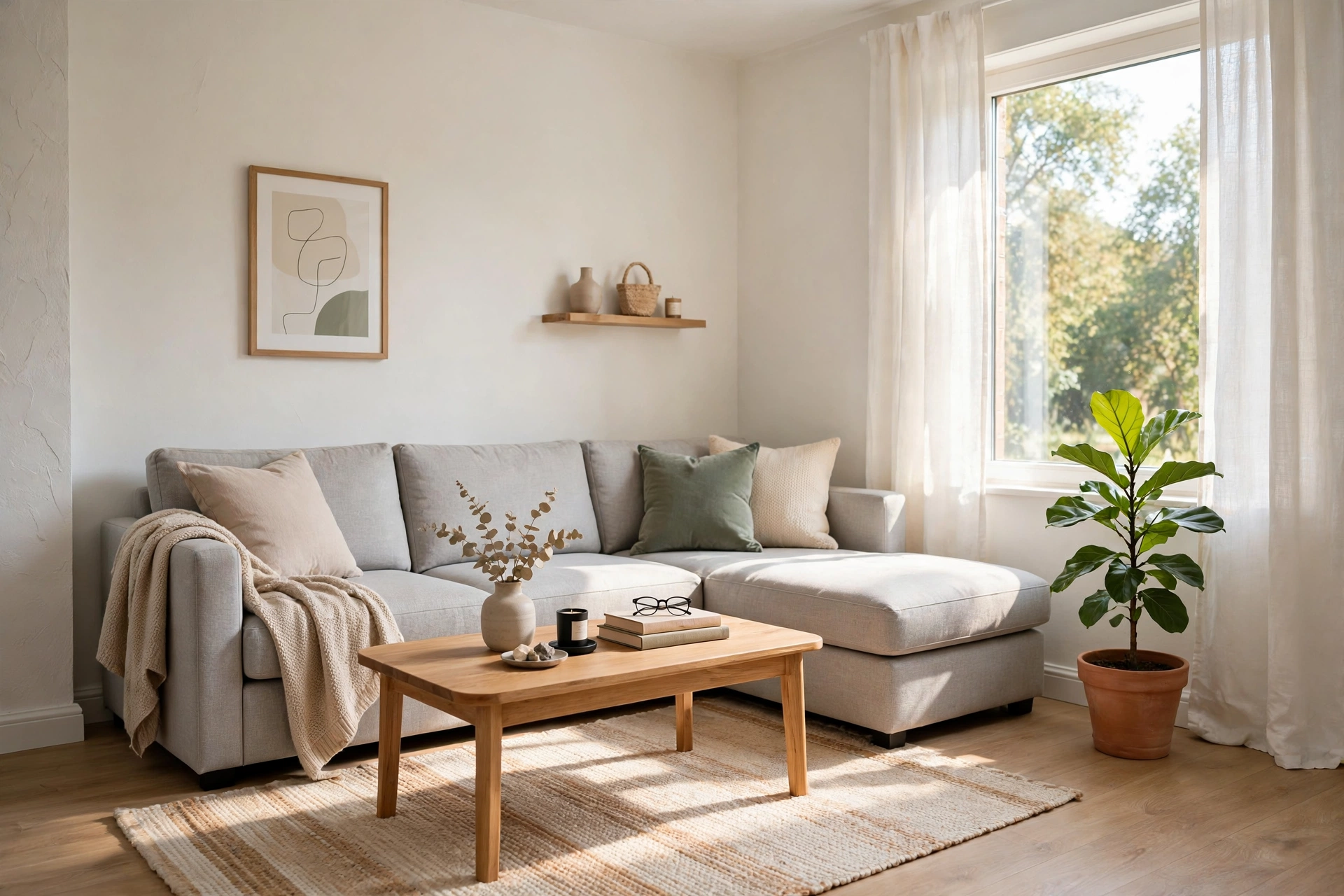
If you love small living room layout ideas that feel open rather than cramped, this guide gives you twenty three practical plans to shape a lounge you truly enjoy using every single day. A compact lounge can still hold good seating, clear walkways, soft light, and storage that stays out of sight, provided each piece earns its place and each zone has a clear job. The twenty three plans below focus on seating zones, walkways, focal points, and light, so you can mix a calm base with a few personal touches without crowding the floor or blocking daylight. Read through the full list first, note the two or three changes that fit your budget and your daily routine, then start with the simplest update and build from there.
1. Corner Sofa Zone Plan
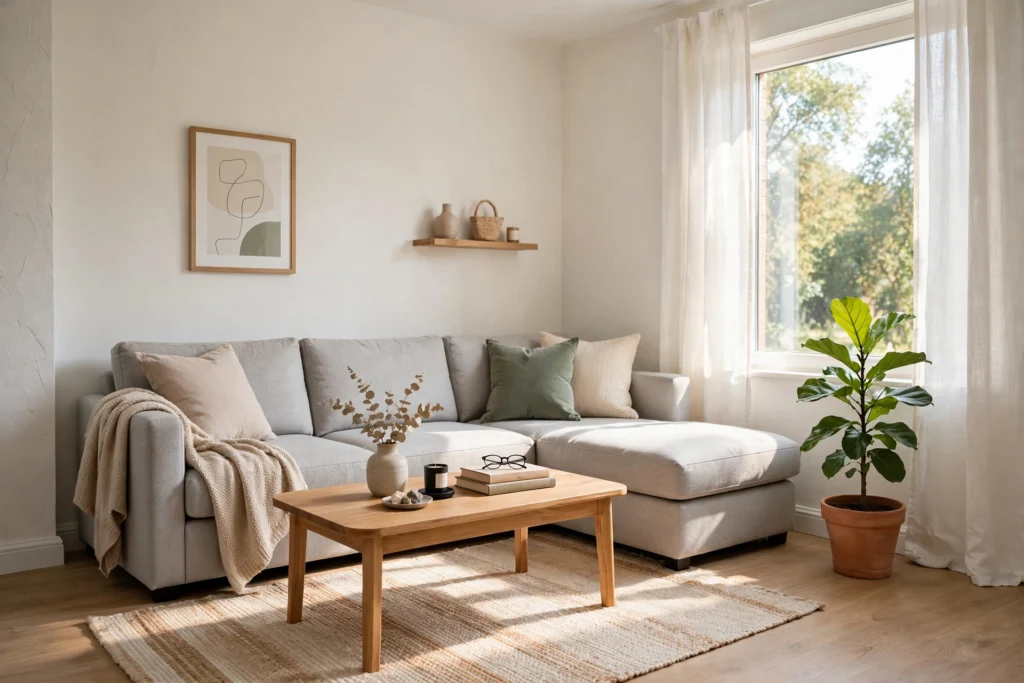
A corner sofa plan instantly frees the middle of the room and gives every other piece a clear zone to sit in. Choose a compact corner shape with slim arms so the floor stays visible, and keep the longest seat against the longest wall to protect the walkway in front of it.
Pair it with a small coffee table within easy reach, then add one floor lamp for evening light. The result feels settled, social, and easy to rearrange when guests arrive.
2. Window Facing Seat Row
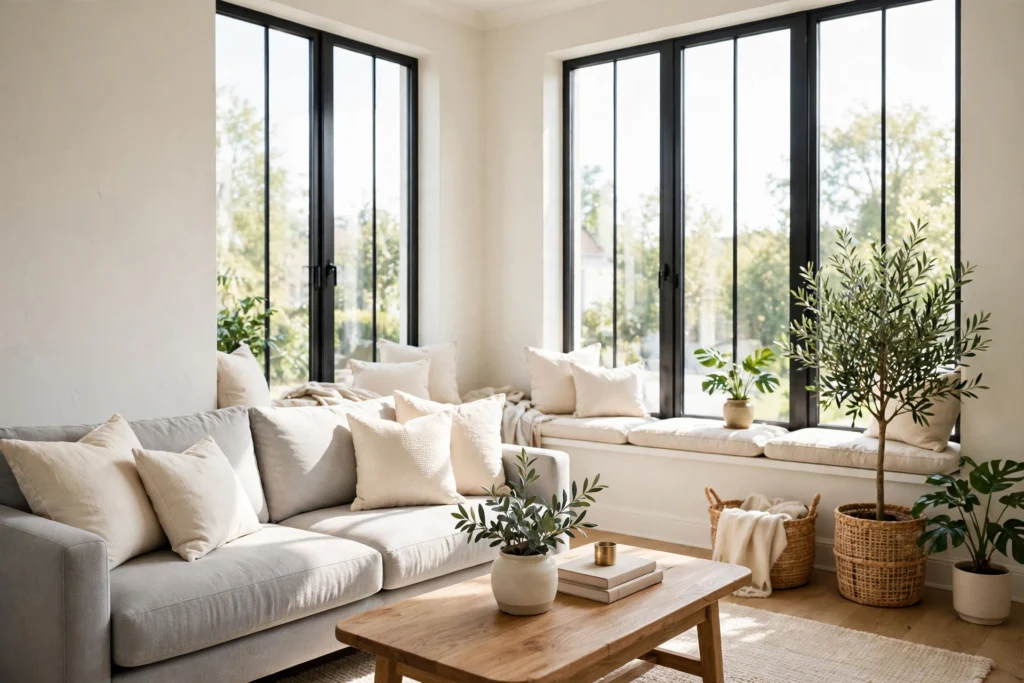
Facing seats toward the window makes daylight the main feature of the room, so the lounge feels brighter from the moment you walk in.
- Place the sofa opposite the window, not with its back to the light.
- Keep the coffee table low so the view stays open.
- Add sheer curtains to soften strong midday sun.
Sit in the seat yourself before fixing the plan, because a layout that looks good on paper can still glare badly at certain hours. A window facing row usually suits reading, chatting, and slow mornings best.
3. Diagonal Rug Anchor Plan
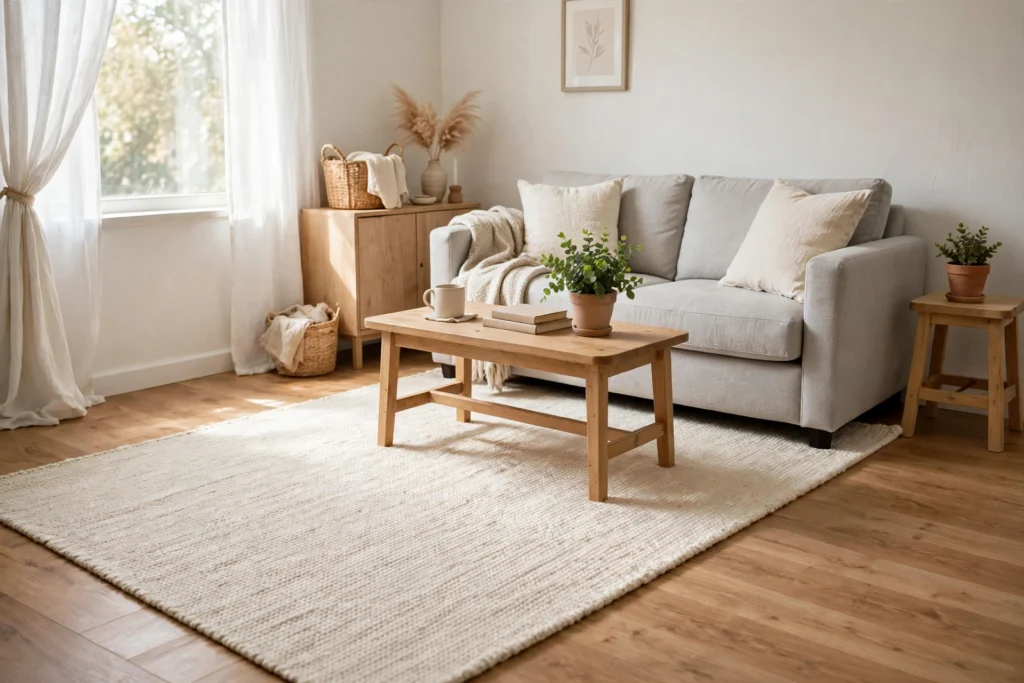
Quick Tip: Angle the rug slightly rather than lining it up with the walls, so a boxy room gains movement without any new furniture at all.
A diagonal rug breaks up a square room and draws the eye across the seating zone instead of along the walls. Keep the rug large enough to sit under the front legs of the sofa, and let one corner point toward the doorway for a welcoming entry line.
4. Two Chair Talk Pair
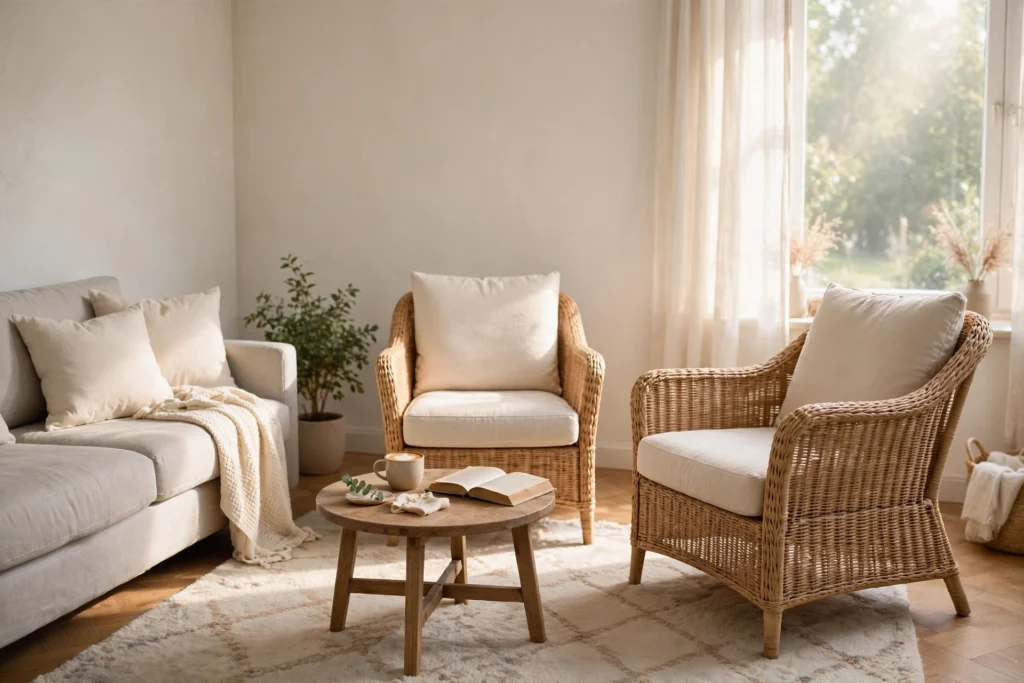
Before: a single sofa facing a television makes a tiny lounge feel like a waiting room, with conversation as an afterthought.
After: two chairs facing each other across a small table turn the same room into a place where people actually talk.
Place the chairs close enough for easy conversation, about one coffee table apart, and keep a lamp nearby for evening chats. The pair works well beside a window or near a fireplace wall.
5. Floating TV Wall Zone
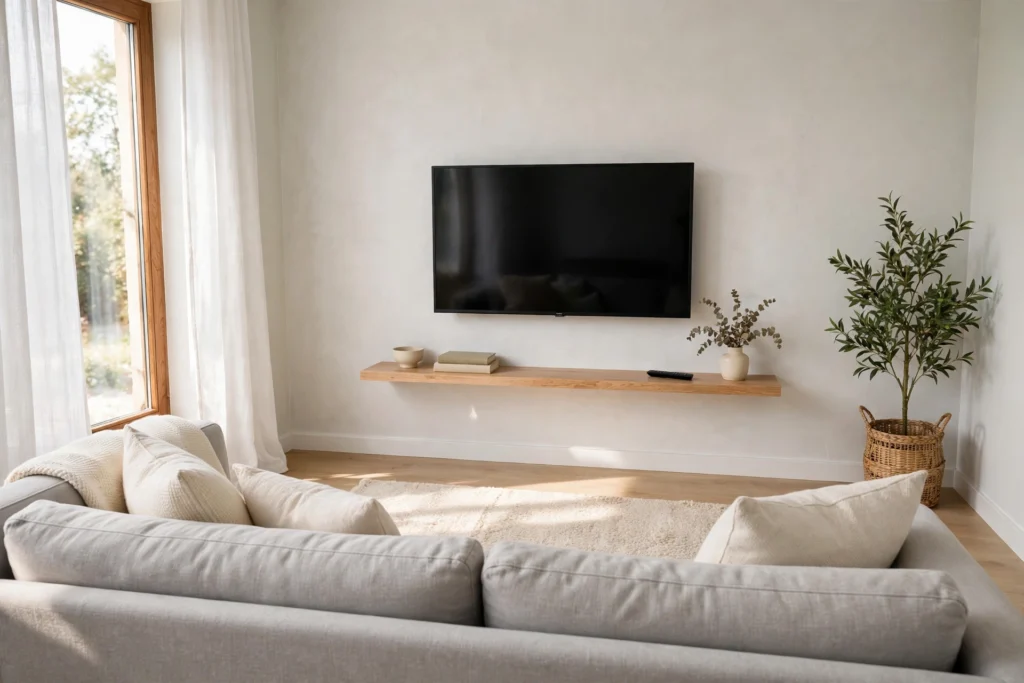
A floating television zone keeps the floor clear and the seating focused, provided the screen height suits the sofa opposite.
- Mount the screen at eye level from the seated position.
- Choose a slim console with closed storage below.
- Hide cables inside the console before styling the top.
- Leave the console top mostly clear with one plant.
Step back and sit on the sofa to check the angle, because a screen hung too high strains the neck during long evenings. A calm television wall usually suits family lounges best.
6. Entry Path Clear Lane
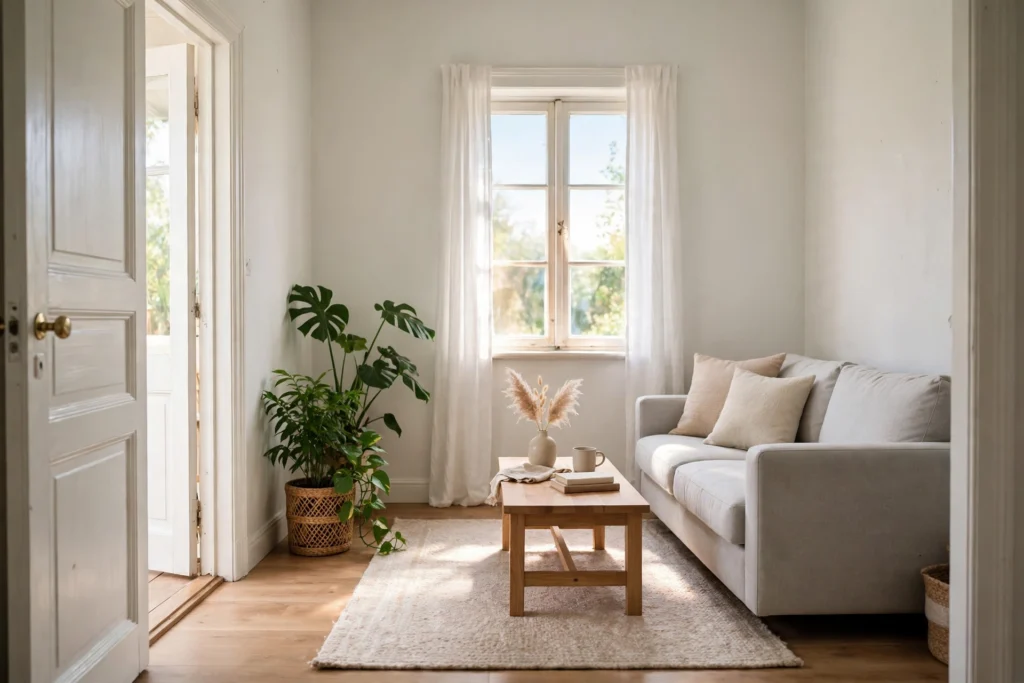
A clear entry lane makes a compact lounge feel larger the moment the door opens, but it needs planning before furniture arrives.
| Feature | Clear Entry Lane | Blocked Entry Path |
|---|---|---|
| First impression | Open and welcoming | Cramped and awkward |
| Movement | Easy to every seat | Furniture blocks the way |
| Best for | Daily coming and going | Rarely used rooms |
Keep the lane at least eighty centimetres wide, and never place a coffee table or ottoman inside it. A clear path also helps the room feel safe and easy for guests of every age.
7. Side Table Reach Zone
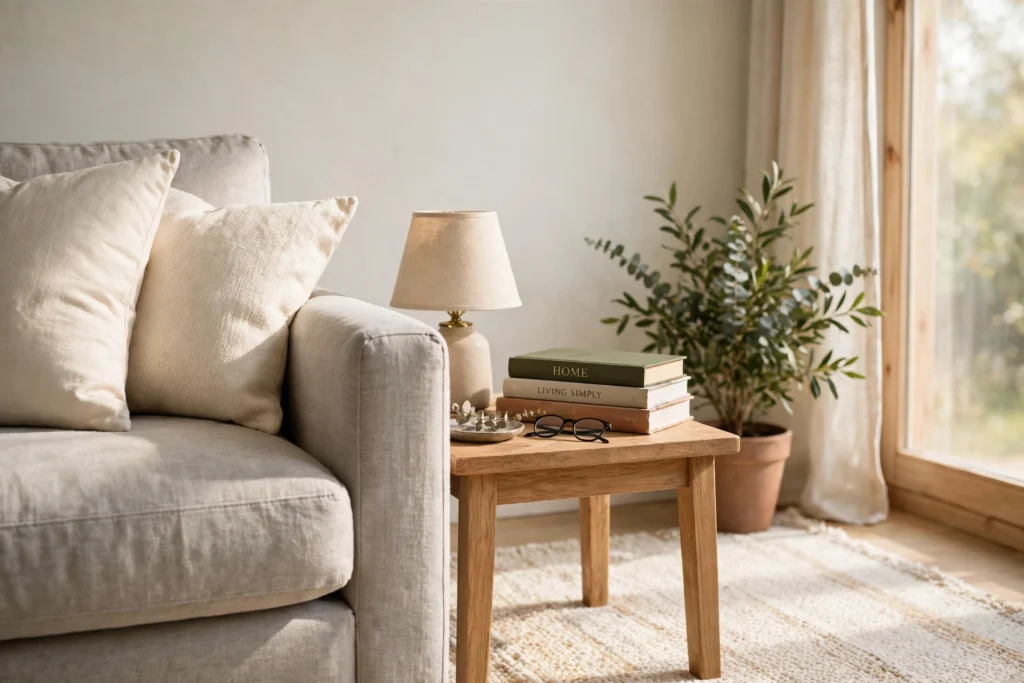
A side table within arm’s reach turns a good seat into a favourite seat, because cups, books, and lamps all gain a home.
Do: Place the table beside the favourite seat at sofa arm height, so reaching for a cup never means standing up.
Don’t: Push the table across the room where it serves no seat, or choose a table so tall that it blocks conversation.
Pair the table with a small lamp for evening reading, and keep the top mostly clear. One useful side table usually beats a large coffee table in a tight room.
8. Rug Border Walk Lane
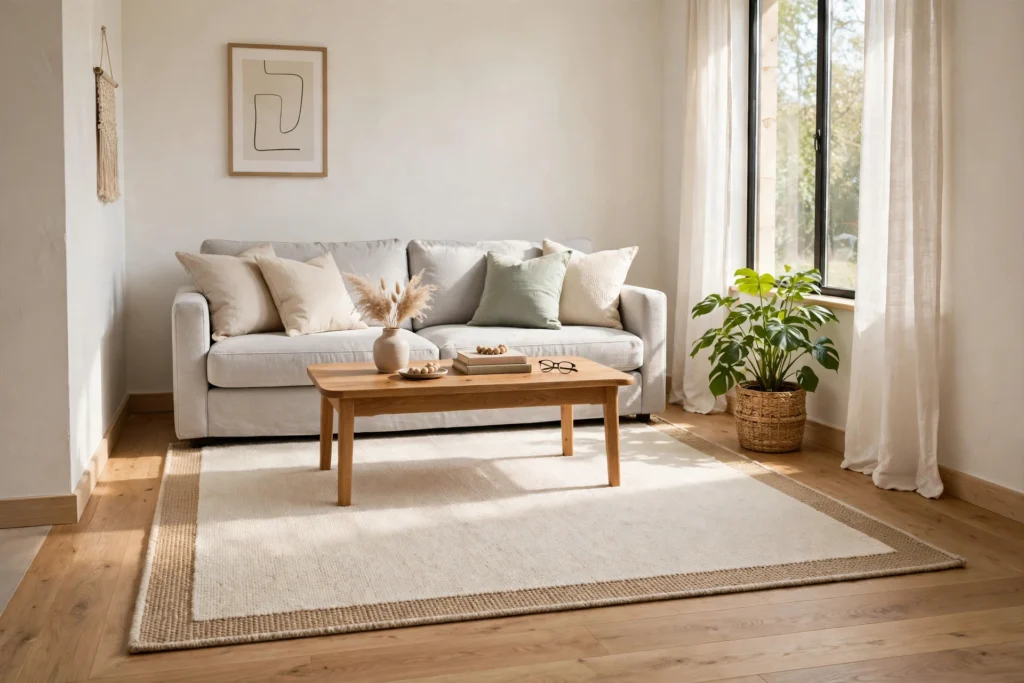
A visible border of floor around the rug defines the walkway and keeps the seating zone from spreading across the whole room.
Quick Facts: Border: A small strip of floor visible around the rug. Rug size: Large enough for sofa front legs. Walkway: Clear path around the seating zone. Colour: Pale so daylight bounces gently.
Avoid a rug so large that it touches every wall, because the room then loses its walkway edge. Keep the border even on all sides where possible, so the plan reads as intentional from the doorway.
9. Bookshelf Divider Screen Row
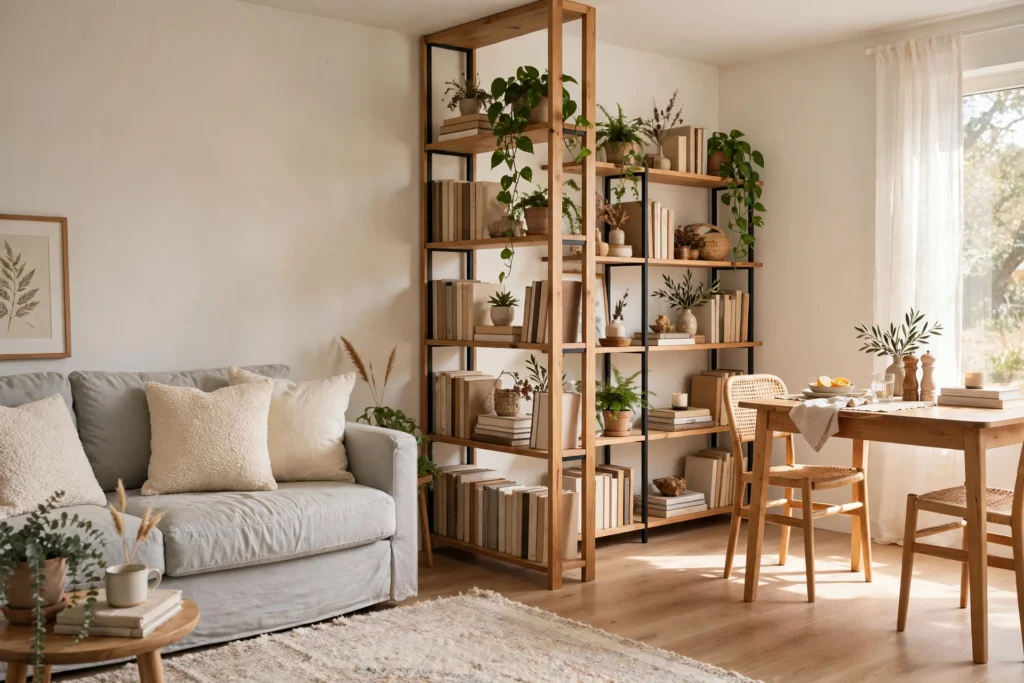
Books, plants, and a few ceramics give structure, while open gaps stop the divider from feeling like a barrier. The result feels connected yet clearly zoned, which suits open plan homes well.
10. Dining Table Edge Zone
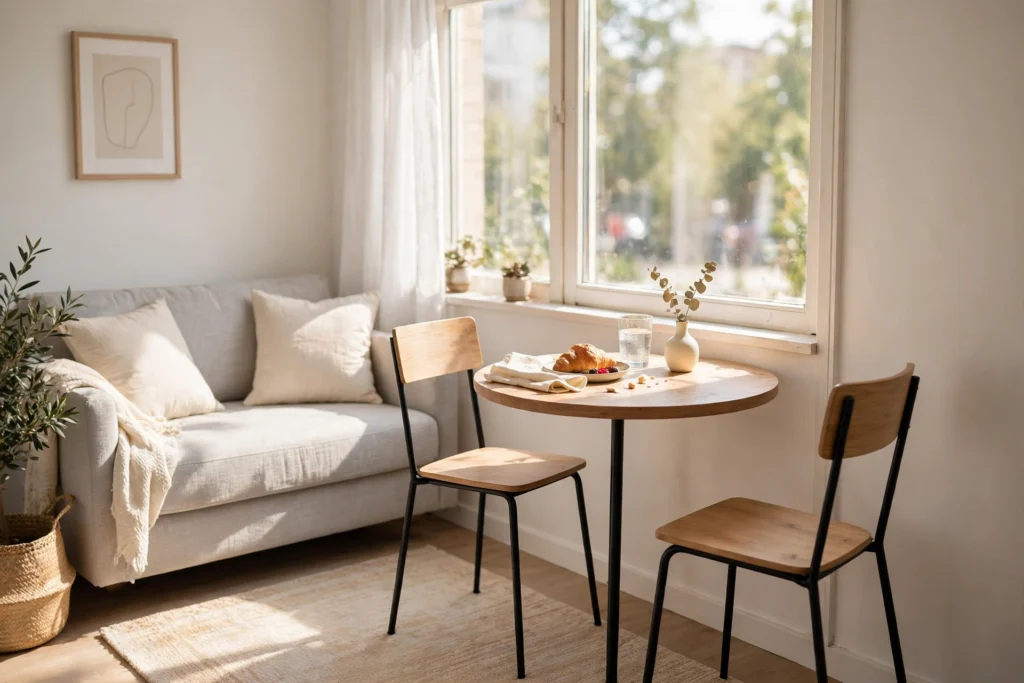
A dining table at the room edge lets a lounge serve meals without a separate dining room taking over the home.
- Choose a round table with chairs that tuck fully underneath.
- Place the set beside a window for daylight during meals.
- Keep the walkway behind the chairs fully clear.
Return chairs under the table after meals so the lounge resets for rest. A dining edge zone like this keeps the room flexible from morning coffee to evening dinner.
11. Plant Cluster Corner Fill
Quick Tip: Group plants in odd numbers at different heights, so an empty corner gains life without any new furniture at all.
A plant cluster softens hard furniture edges and fills dead corners that otherwise collect clutter. Start with one tall plant, add two smaller pots beside it, and keep a watering can nearby so care stays easy. Rotate pots monthly so growth stays even and the corner always looks fresh.
12. Lamp Triangle Glow Plan
Before: a single ceiling light in a tiny lounge creates harsh shadows and flat corners after dark.
After: three lamps placed in a triangle around the seating zone give warm, even light that flatters every corner.
Place one tall floor lamp, one table lamp, and one small console lamp, all with warm bulbs. Dim the ceiling light in the evening and let the triangle carry the room instead.
13. Storage Wall Unit Row
A storage wall unit hides clutter behind calm doors and frees the rest of the room for seating and movement, provided the unit stays slim.
- Measure the wall twice before ordering any unit.
- Choose closed doors for everyday clutter and one open shelf for display.
- Keep the top mostly clear with one plant or a small frame.
- Match handles to nearby wood tones for a settled look.
Place the unit along the least used wall, so daily walkways stay clear. Closed storage like this makes a small lounge feel larger, because the eye meets calm doors instead of scattered objects.
14. Mirror Opposite Window Spot
A mirror opposite a window can double the sense of light in a compact lounge, but placement decides whether it helps or distracts.
| Choice | Mirror Opposite Window | Mirror Facing Clutter |
|---|---|---|
| Light effect | Doubles daylight | Doubles the mess |
| Room feel | Wider and brighter | Busier and restless |
| Best spot | Above a slim console | Anywhere near storage |
Hang the mirror at eye level and keep the console below it simple, so the reflection stays calm. Avoid a spot where the mirror reflects a television screen, because the reflection will double the busiest part of the room.
15. Ottoman Footrest Flex Zone
An ottoman as a footrest adds flexible comfort that moves wherever the room needs it most, without a permanent chair taking floor space.
Do: Choose a light ottoman that one person can lift easily, and keep it near the favourite seat for feet up evenings.
Don’t: Pick a heavy ottoman that blocks the walkway, or pile it with items until it cannot be moved.
Push the ottoman aside for guests, pull it forward for reading, or tuck it under a console when the floor needs clearing. Soft flexible pieces like this make a compact lounge feel adaptable rather than fixed.
16. Art Wall Balance Row
An evenly spaced art row gives a seating wall a clear focal point and balances a large sofa below it.
Quick Facts: Row: Prints hung in one even line. Frames: Matching frames for a gallery feel. Gaps: Equal gaps between every frame. Height: Eye level from the sofa.
Hang the row above the sofa with the centre at eye level, and step back to check it reads as one display rather than scattered pictures. Keep nearby shelves simple so the art row stays the focus.
17. Open Doorway Flow Plan
An open doorway flow plan lets light and movement pass through the room instead of stopping at the threshold. Keep furniture away from the doorway swing, and arrange seating so the eye travels from the door straight to the window or the main focal point.
Avoid tall bookcases beside the door, because they block the sightline and shrink the entry. The result feels airy, connected, and welcoming, which suits homes where the lounge links several rooms.
18. Coffee Table Centre Hub
A coffee table at the centre of the seating zone anchors every seat around one shared hub, so the room feels gathered rather than scattered.
- Choose a table height level with the sofa seat for easy reach.
- Keep the top mostly clear with one vase or a small book stack.
- Leave a comfortable gap between table and sofa for legs.
Place the table within easy reach of every seat, because a hub that serves only one chair rarely gets used. A centred table also gives guests a natural place for cups during conversation.
19. Slim Bench Wall Row
Quick Tip: Place a slim bench under a window with a couple of cushions, so the wall gains seating without stealing floor space from the main sofa zone.
A wall bench adds extra seating for guests and a landing spot for books, bags, and throws. Keep the bench depth slim, under forty centimetres, so it never pushes into the walkway. Add storage baskets below for throws and magazines, and the bench earns its place twice over.
20. Evening Lamp Dim Ritual
Before: bright ceiling light and a busy coffee table make evenings feel restless, even after a long day.
After: dim lamps, a soft throw, and a clear table turn the same lounge into a restful place to unwind with tea and a book.
Build the ritual slowly, starting with lighting, then texture, then scent or music if you enjoy it. A calm evening routine helps the room feel like a retreat, and it costs far less than new furniture or a full redecoration.
21. Morning Curtain Open Routine
A morning curtain routine costs nothing and changes how a compact lounge feels all day.
- Open curtains fully as soon as the day starts.
- Clear the coffee table to one tray and a cup.
- Place one plant where morning light reaches it.
- Leave windows uncovered until evening for full daylight.
Build the routine slowly, starting with light, then tidiness, then a short pause with a warm drink. A bright morning start helps the room feel open, calm, and ready for the day ahead.
22. Weekend Reset Tidy Ritual
A weekend reset ritual keeps a compact lounge tidy without a long cleaning session, and it starts with surfaces alone.
| Choice | Weekend Reset Ritual | Full Deep Clean |
|---|---|---|
| Time needed | Short and regular | Long and occasional |
| Room feel | Fresh every week | Tidy after effort |
| Best time | Weekend mornings | Seasonal change |
Clear the coffee table, fold throws, return books to shelves, and empty small baskets in one short pass. A weekly reset like this stops clutter from building up, so the layout stays clear and the room stays easy to use.
23. Calm Corner Reading Retreat
A reading retreat in a quiet corner turns dead space into a favourite spot, but the right size matters more than the prettiest shape.
Do: Choose a compact chair with a slim side table and a good lamp, and place the set where morning light reaches it.
Don’t: Pick a large chair that crowds the corner, or place the seat where daylight glares across the pages.
Fold a soft throw over the chair arm, keep one book within reach, and return the chair to its place each evening. A calm corner like this makes even a tiny lounge feel generous.
Conclusion
These small living room layout plans prove that a compact lounge can feel calm, useful, and personal when seating, walkways, and light work together rather than competing for attention. Pick one change to try this week, live with it for a few days, and notice how movement, daylight, and evening comfort shift before you add the next layer. Save this guide on Pinterest for later, share it with a friend who is styling a tiny lounge, and return whenever you need a fresh, practical spark for your own home. Small, thoughtful updates often bring the biggest daily comfort, so keep the look simple, keep walkways clear, and let your favourite pieces shine.